
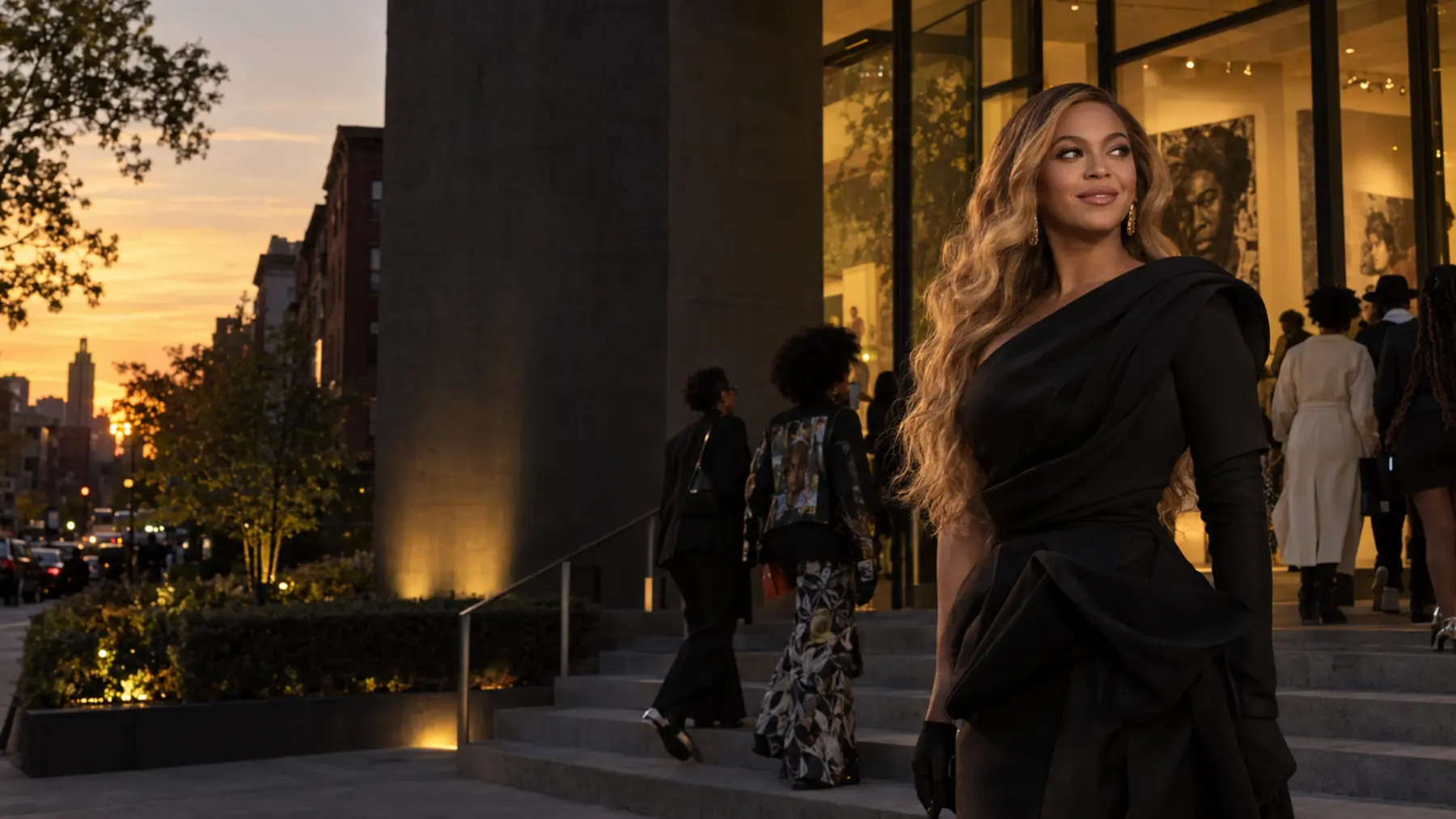
Beyonce could have made her birthday about herself.
Instead, she put $2 million behind a Black institution that has spent nearly six decades making sure our artists are seen.
On September 4, the global entertainer, entrepreneur and art collector announced a gift to the Studio Museum in Harlem. The money arrives less than a year after the museum opened its new home on West 125th Street, and it lands exactly where culture and infrastructure meet. Read the Parkwood announcement
This Is Bigger Than a Celebrity Check
Two million dollars makes a headline. What matters is what the money helps protect.
The Studio Museum was founded in 1968 by artists, activists and philanthropists who understood a hard truth: talent is everywhere, but access is not. For generations, Black artists were creating the work while other institutions decided who belonged in the official story of American art.
The Studio Museum changed that math. It became a place where artists of African descent could develop, exhibit and be taken seriously before the larger art world caught up.
That is why Beyonce's message centered on access. She described art as a vessel for both memory and the present, and said the museum introduced her to young Black artists whose work moved her. The gift is not simply admiration from a famous collector. It is capital following conviction.
Harlem Built the Room Before the World Wanted In
Anybody who understands hip-hop should understand the Studio Museum.
Both stories begin with Black people creating value in spaces the mainstream overlooked. Both are about turning neighborhood language into world language. Both show what happens when a community stops waiting for permission to document itself.
Hip-hop made parks, rec rooms, sidewalks and small clubs into cultural institutions. The Studio Museum did parallel work in visual art, building a serious platform for Black artists while Harlem itself remained one of the world's most important centers of Black cultural production.
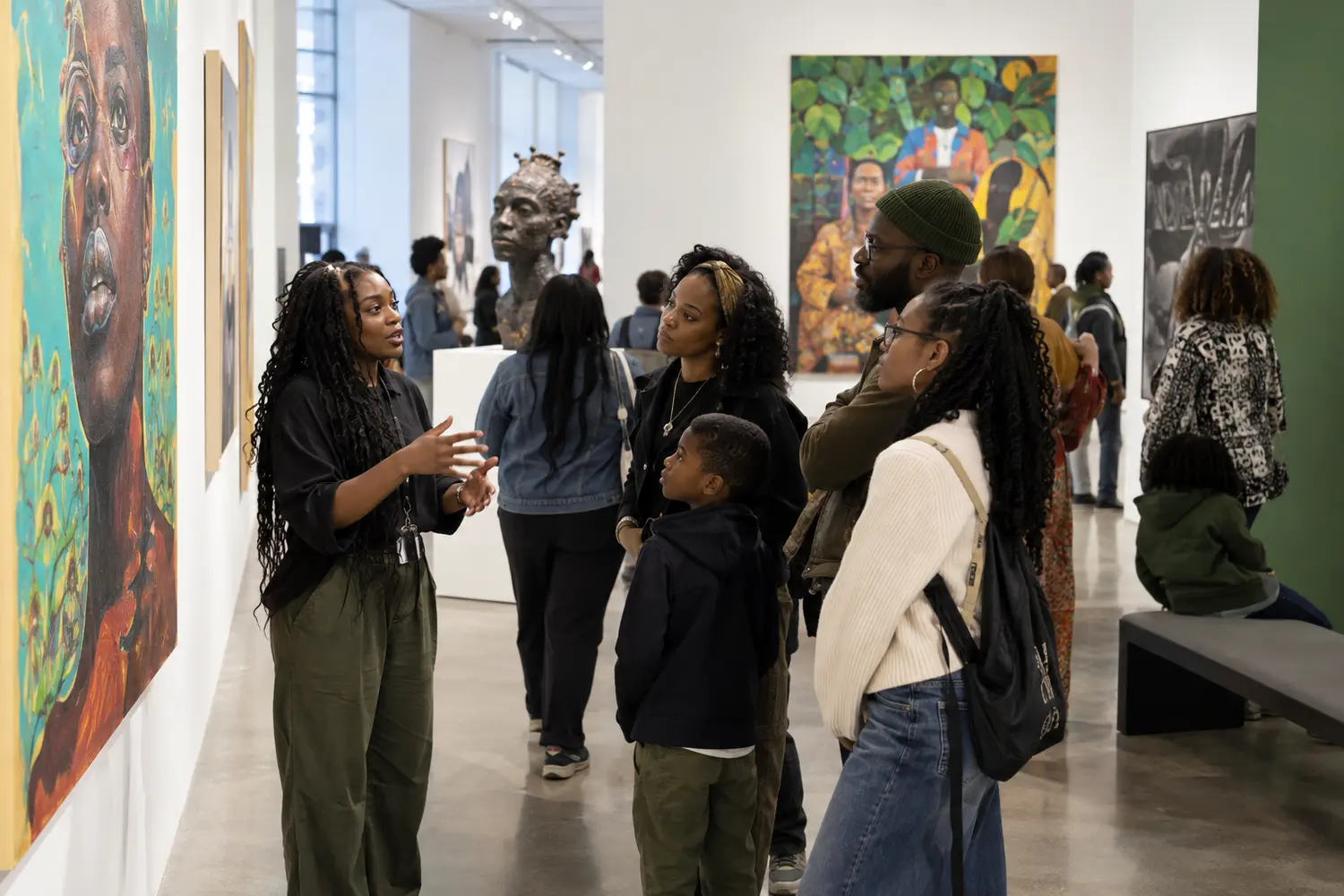
That history is why the timing of this gift hits differently. The museum's purpose-built home opened on November 15, 2025. Its exhibition and artist-residency space more than doubled, while public space grew by 60 percent. This is not a museum trying to become relevant. It is a relevant institution finally getting architecture equal to its influence. Explore the new museum
A Pipeline, Not Just a Plaque
The most important work inside the building may never trend.
Every year, the museum's Artist-in-Residence program gives three emerging artists studio space, institutional guidance, professional development, research support and a stipend. Nearly 150 alumni have moved through that pipeline, including artists whose names now sit at the center of contemporary art.
That is what cultural investment looks like when it is built for the long game. It gives artists time. It gives them space. It gives curators and audiences a chance to encounter the work before a market price tells everybody it matters. See the Artist-in-Residence program
Giving the Culture More Than Flowers
We say “give people their flowers” when we want greatness recognized in real time. Beyonce just took the phrase one step further.
Flowers matter. Funding does more.
A gift like this helps an institution keep exhibitions moving, classrooms open, artists supported and neighborhood access central. It strengthens a place where Black creativity is not a special theme for one month. It is the foundation.
Thelma Golden, the museum's director and chief curator, said the institution was created to change the arts landscape and reconsider whom that landscape serves. That sentence is the whole story.
The power move is not merely having enough money to collect important art after the market recognizes it. The power move is helping build the system that allows the next important artist to be discovered.
Beyonce did not just celebrate Black art. She invested in the place helping decide what Black art becomes next.
A birthday gift that turns celebrity power into cultural infrastructure.