
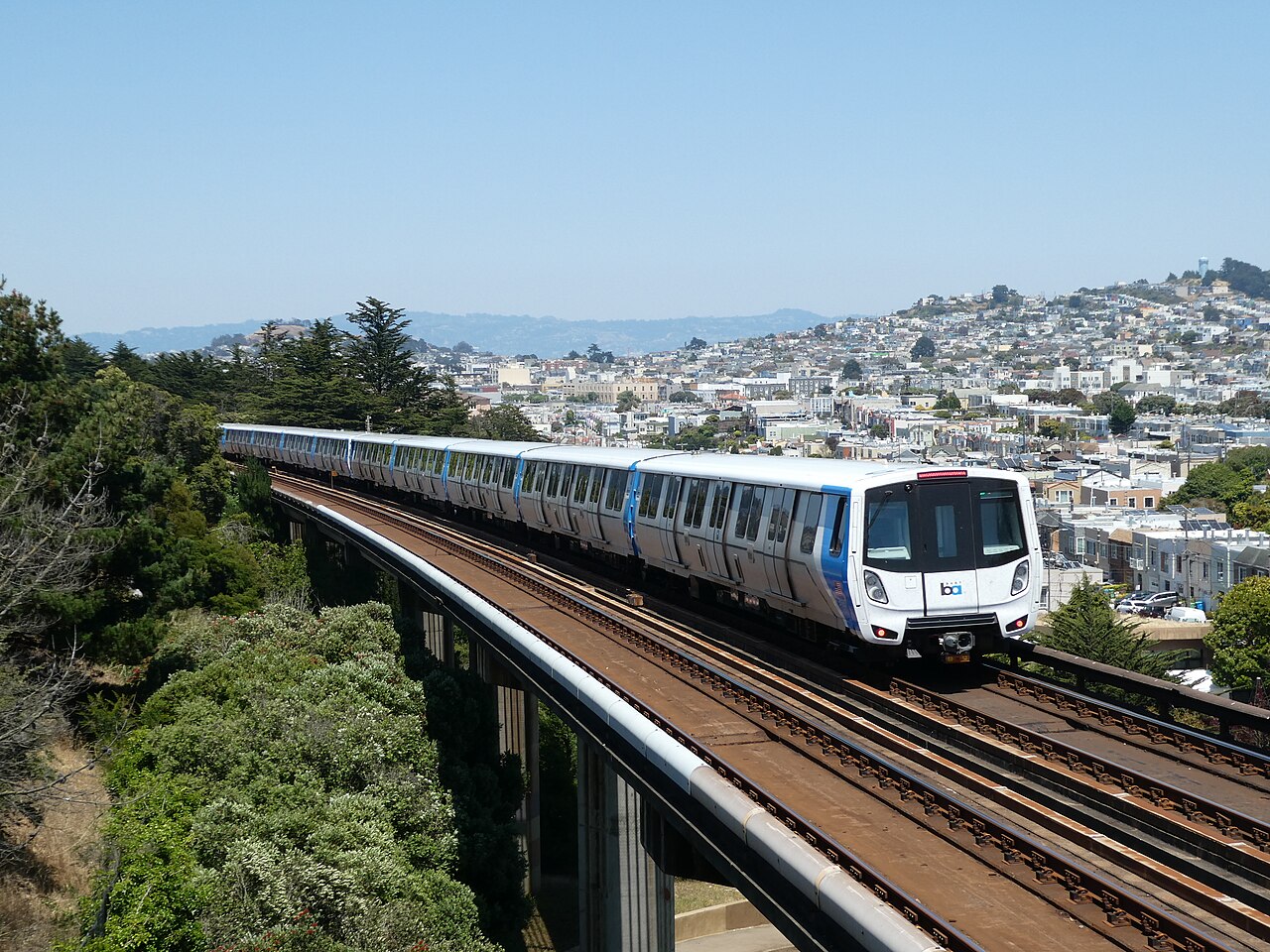
The Bay Area spent two days learning the same hard lesson: when BART stops moving, the whole region feels smaller.
A fire outside Daly City Station disrupted service Tuesday night, September 8. Equipment problems and additional incidents then carried major delays into Wednesday, forcing riders to improvise across San Francisco, Oakland, the Peninsula and the East Bay.
The problems were not one simple failure with one simple fix. They arrived in layers, and that is exactly why the disruption matters. Read the latest systemwide report
Tuesday Night Started With Fire
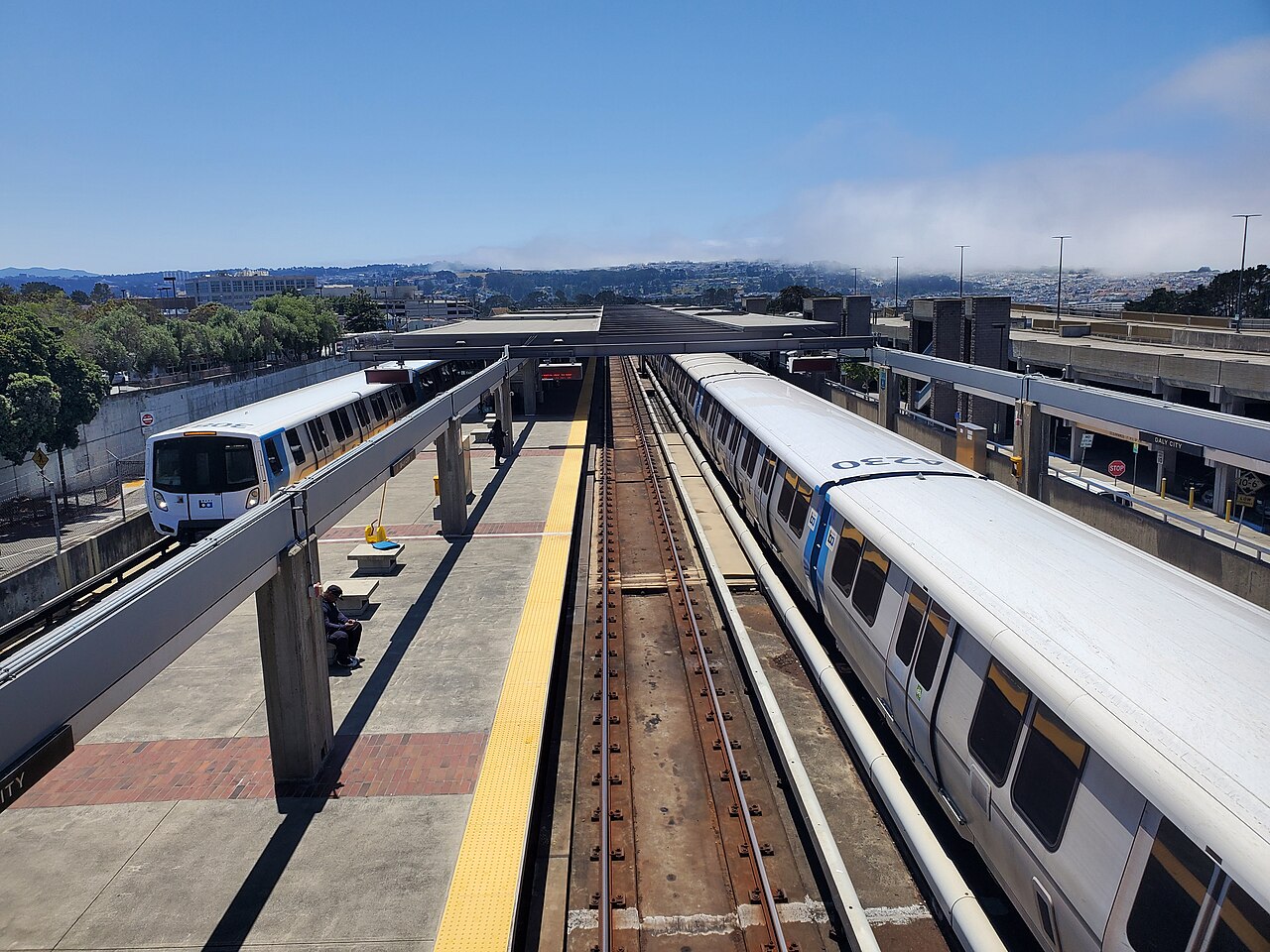
San Francisco firefighters were dispatched shortly before 7 p.m. Tuesday to a substation fire near Daly City Station. The flames spread toward rail equipment, according to local reporting. Fire crews had the blaze extinguished by about 8 p.m., and no injuries were reported.
The incident interrupted service around Daly City and Colma and contributed to a shutdown between San Francisco and Oakland that stranded riders during the evening commute. KTVU reported that transbay service was restored Tuesday night while the segment between Balboa Park and Colma remained suspended at that point. Watch KTVU’s report
BART said full service was restored around 11:30 p.m. Tuesday, with reduced speeds through Colma and Daly City expected to cause lingering delays.
Wednesday Brought Another Layer
By Wednesday morning, BART was warning about systemwide delays tied to track equipment near Daly City. Operations announcements also pointed to problems around West Oakland.
Later reports described additional complications, including a fire near West Oakland, a medical emergency aboard an airport bound train and a PG&E power outage near Castro Valley. Officials had not established that every incident shared the same cause, so they should not be folded into one neat story.
ABC7 Bay Area also reported major systemwide delays during its September 9 evening coverage, confirming that the disruption remained a regional issue well beyond the original fire. See ABC7’s local coverage
A Delay Is Never Just a Delay
Transit breakdowns are measured in minutes, but riders pay in missed shifts, late pickups, canceled appointments and expensive backup rides. A ten minute technical delay can become an hour when a transfer disappears or the last practical alternative fills up.
That burden is not distributed evenly. Workers without remote options, students crossing county lines and families with fixed schedules have less room to absorb a systemwide failure.
This is why reliable public transportation is not a lifestyle accessory. It is economic infrastructure. When the train fails, access to work, education, health care and nightlife fails with it.
Heat Was Part of the Backdrop
The failures arrived during an unusual stretch of Bay Area heat and humidity. SFGATE reported temperatures running 10 to 20 degrees above normal, with triple digit forecasts in parts of the East Bay and a heat advisory lasting through Thursday evening.
BART has faced equipment stress during irregular heat before, but the public record available Wednesday did not prove that heat caused every problem in this chain. The honest answer is that multiple events collided while the region was already under pressure. Review the heat advisory report
OHH Analysis
The Bay Area does not need perfect transit. It needs a system that fails less often, communicates clearly when it does and offers realistic alternatives before riders are already trapped on a platform.
The biggest story from these two days is not one fire or one equipment problem. It is the fragility exposed when several ordinary failures arrive close together.
Before leaving home, riders should check BART’s official real time service information because conditions can change quickly. Check current BART advisories
A regional lifeline has to work like a lifeline, especially on the days when everybody needs another way through.
Two days of layered failures turned transit reliability into a regional accountability question.